Maldives' Growing Dependence on Expatriate Labor: Economic Necessity or Long-Term Risk?
Maldives' Growing Dependence on Expatriate Labor: Economic Necessity or Long-Term Risk?
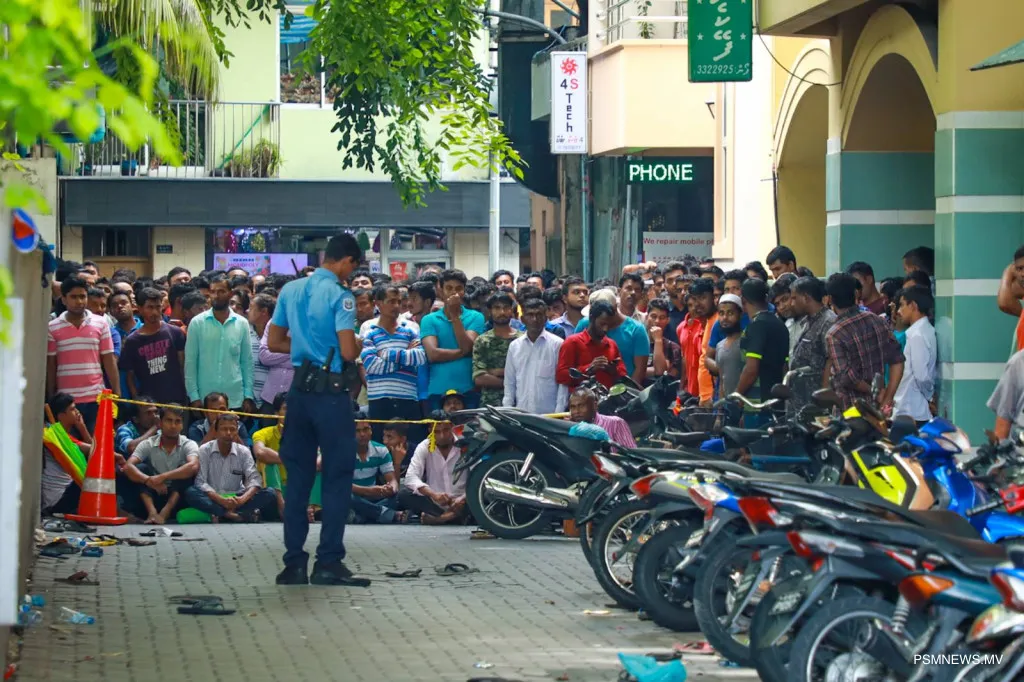
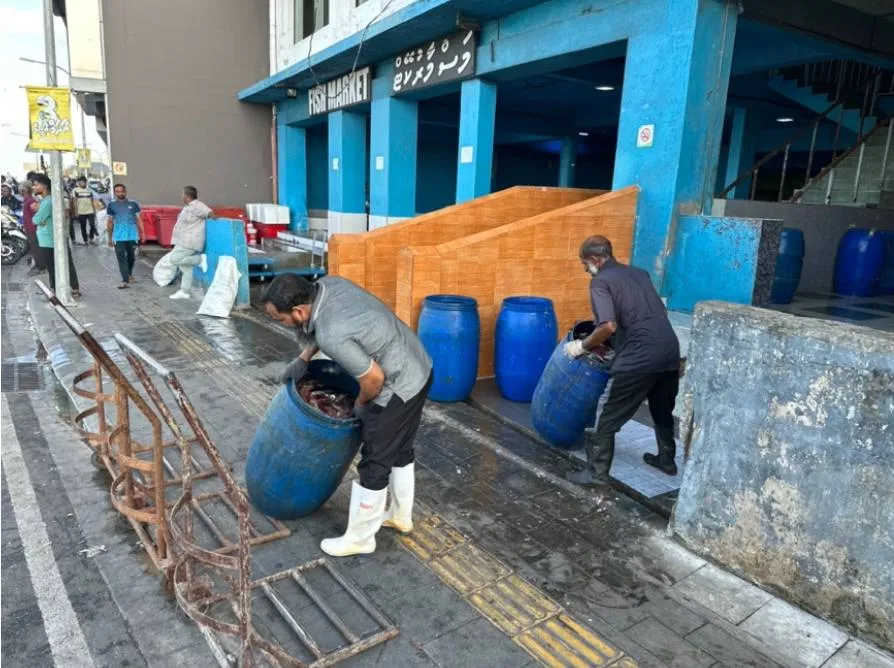
For decades, foreign workers have been the backbone of many of the maldives' successful business ventures; they help build mega-development projects, staff resorts, run hotels and restaurants, and perform countless other vital tasks. But now that the nation's population is projected to grow exponentially, so too is the percentage of foreigners who live here and make up our labor pool.
According to a recently released projection of the nation's population for 2022-2062 by the Maldives Bureau of Statistics (MBS) and based upon those projections the number of expatriates working in the maldives is expected to jump from 132,493 to 263,345, which represents nearly 39% of the entire population in just under four decades.
Meanwhile, the local population of working age is expected to grow much slower largely due to low birthrates and aging suggesting that the economy will depend ever more heavily on foreign workers until we either drastically alter the way we participate locally in the labor market or create strong programs designed to encourage greater participation.
How did we get here?
The maldives does not face a lack of potential workers; rather, it faces a lack of workers in a variety of fields. Tourism is booming and new resort developments are underway throughout the country. Additionally, multiple large scale construction projects are taking place nationwide. All of these projects require thousands of workers, specifically in construction, hospitality, transportation, and technical services.
Data from immigration shows that last year alone more than 62,000 foreign workers came into the maldives for employment. And in response to these continued shortages in areas such as construction and hospitality among others businesses continually seek out expatriate workers to fill vacant positions.
Economic growth with financial losses
Foreign workers greatly aid in generating revenue for the maldives through both the completion of construction projects and providing service to tourists. Yet their numbers are creating financial problems for the country.
As reported by the MMA, expatriate workers were responsible for 92 percent of all remittances sent from the Maldives last year. In fact, foreign workers sent around $144 million (approximately MVR 2.2 billion) back to their native lands last year. That figure represented a 59 percent increase when compared to the preceding year.
Economist refer to these outflow of money as "economic leakage," because though earnings were generated within the Maldives, money earned ultimately leave the local economy to be spent/used elsewhere.
Negative impacts on local workforce development
Experts note that long term dependency on foreign workers will likely lead to little investment in developing local workforces. When it is easy to hire employees from overseas — there may be no motivation for Training Maldivians in various skills required in construction, hospitality, engineering and technical services. Ultimately this may lead to a cycle of persistent labor shortages and reliance on foreign workers.
Population forecasts indicate that foreign workers already exceed maldivian men in some working age groups. Therefore if present trends continue, the difference is expected to grow even larger in upcoming decades.
Additionally, some economists believe that overly relying on foreign workers exposes the maldives to future risk, including labor shortages resulting from international migration trends, economic downturns or changes to immigration policies.
Increased challenges due to illegal migration and enforcement issues:
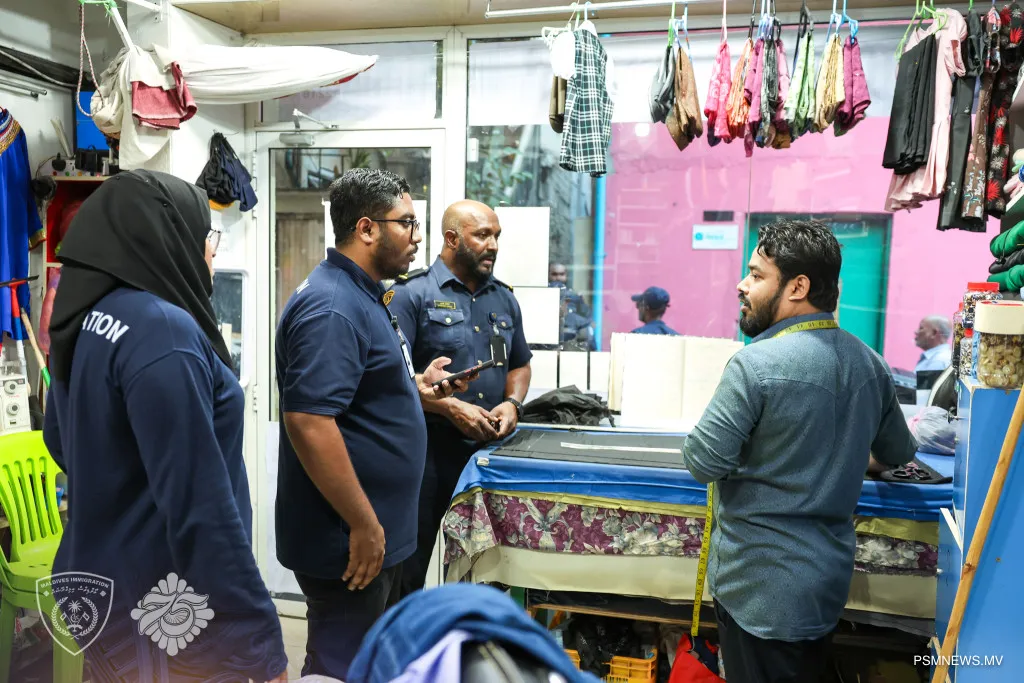
The rapid expansion of foreign workers has also put additional strain on immigration officials.
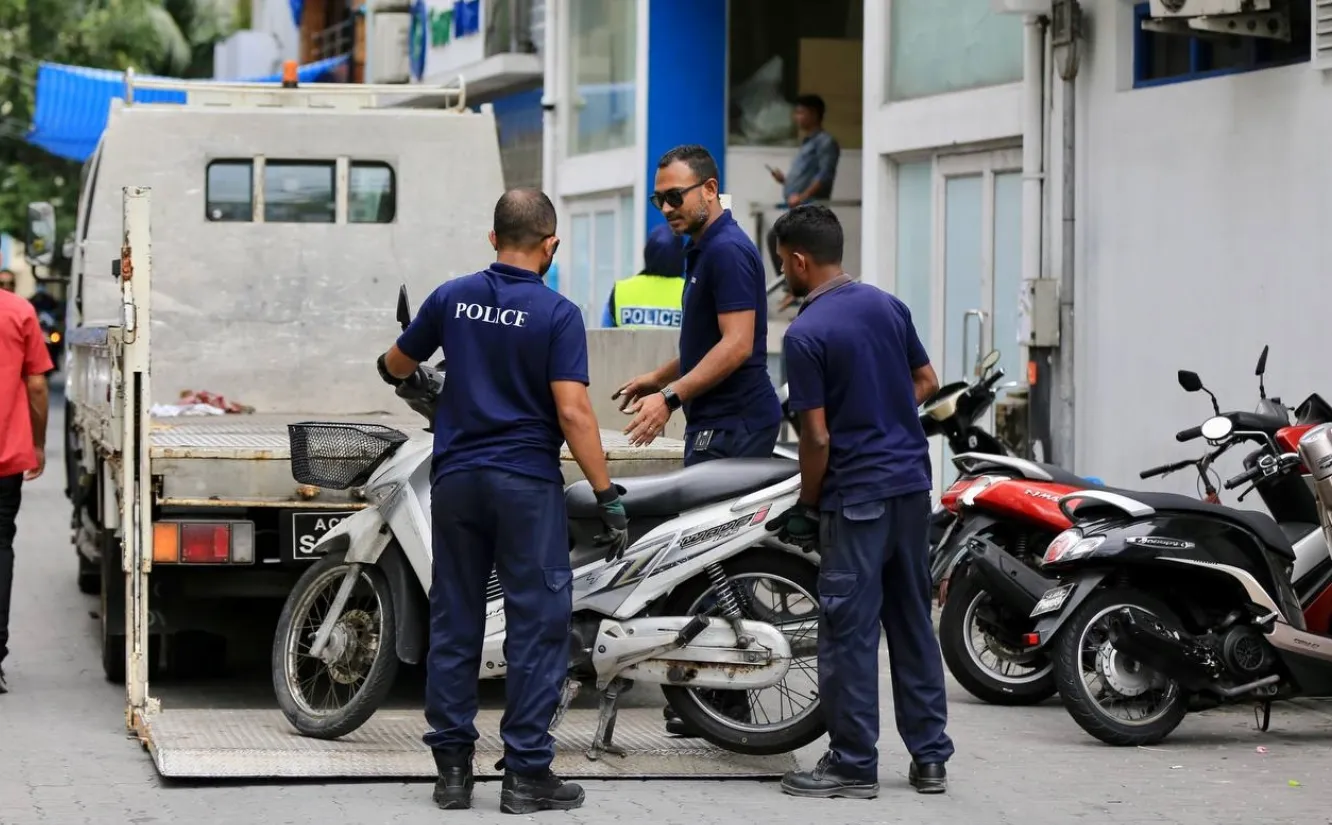
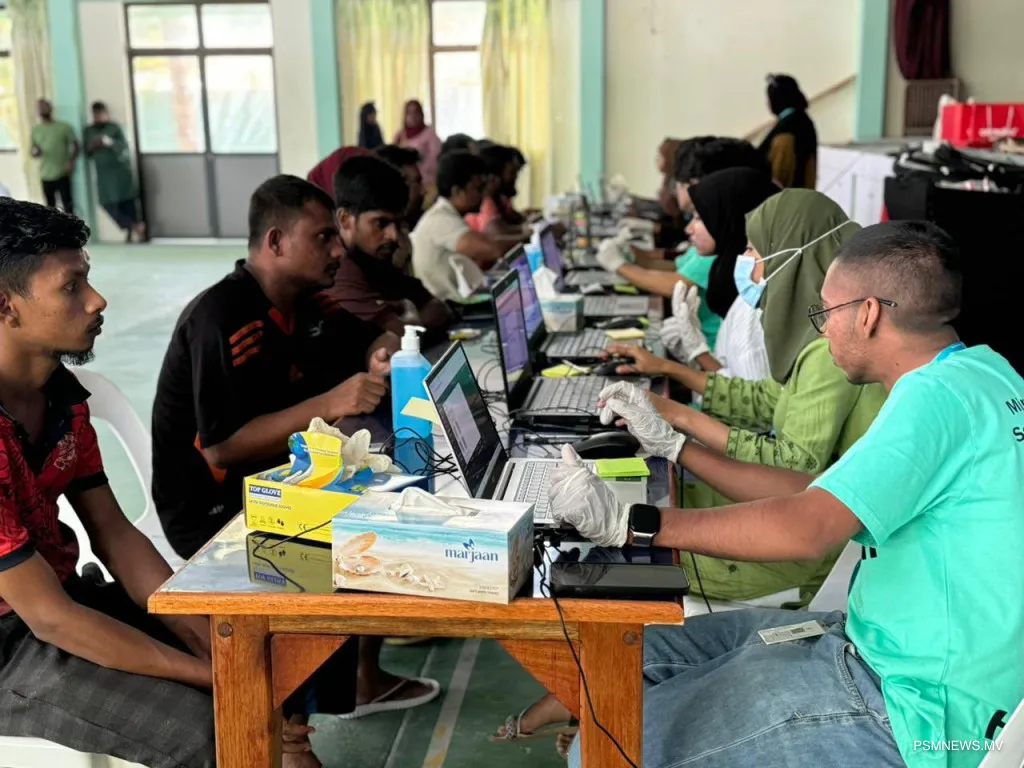
In order to address concerns related to undocumented workers, the government initiated "Operation Kurangi "in 2024. The operation was intended to provide better regulatory oversight of the workforce, utilizing biometric identification and find undocumented immigrants.
As per reports provided by the Ministry of Homeland Security, more than 206,400 expatriate workers have completed biometric identification. The authorities claim that prior to implementation of the program, documented workers made up approximately 28 percent of the overall workforce. Following initiation of the program however, documented workers comprised approximately 62 percent of all expatriate workers. Additionally, since inception of Operation Kurangi authorities have deported over 4300 undocumented foreign nationals.
This demonstrates how difficult and costly it is to manage a large group of foreign workers.
Increased demand for housing and public infrastructure
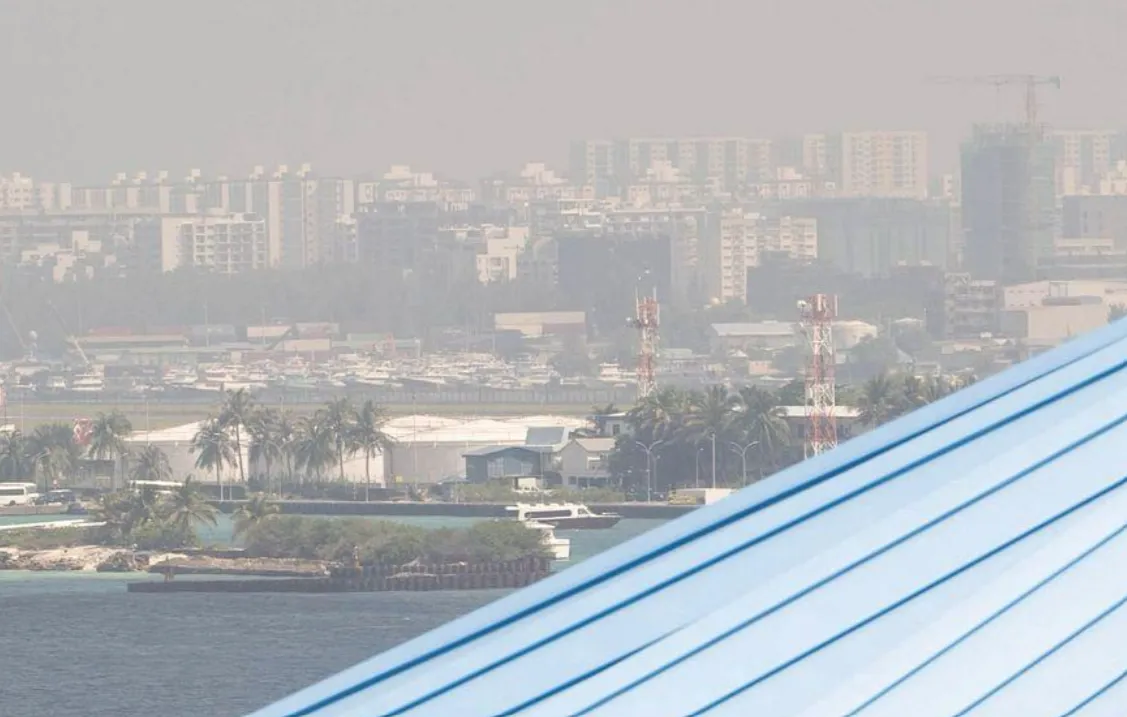
An ever-increasing number of expatriate workers are also placing a heavy burden on housing availability, transportation systems, health care facilities and general public infrastructure — primarily in Greater Malé.
Population forecasts suggest that more than half of the nations population is expected to reside in malé by 2062. Given rising numbers of expatriate workers this adds fuel to worries concerning congestion and public facility overload.
Worker accommodation standards for migrant workers became one of the most widely discussed topics nationally during recent years. Overcrowding revealed vulnerabilities in housing accommodations for workers during the COVID-19 pandemic, and raised awareness about labor welfare and urban planning.
Government initiatives designed to encourage local participation
Given the aforementioned problems, the government implemented several initiatives aimed at encouraging local workforce participation.
Beginning in December 2027 a new rule will limit expatriate work quotas for several professions. Professions such as guest relation officer, tour guide, accountant, electrician, beautician etc., will be restricted for maldivian citizens.
Additionally, quotas for professions such as nurse, pilot, diver, building inspector and certain technical occupations will be phased-out over a three-year period.
Other initiatives include:
• increasing technical and Vocational Education and Training (tvet)
• establishment national apprenticeship programs
• the World Bank supported meery project
• career guidance and job matching services
• workforce localization policies
• youth employment skills development programs
All initiatives listed above are aimed at enabling more Maldivians acquire qualifications to take positions previously held by expatriate workers.
Author
Shafraz Ahmed Hussain
Leave a comment
Comments
No comments yet. Be the first to comment!