Hidden danger above the street
Hidden danger above the street
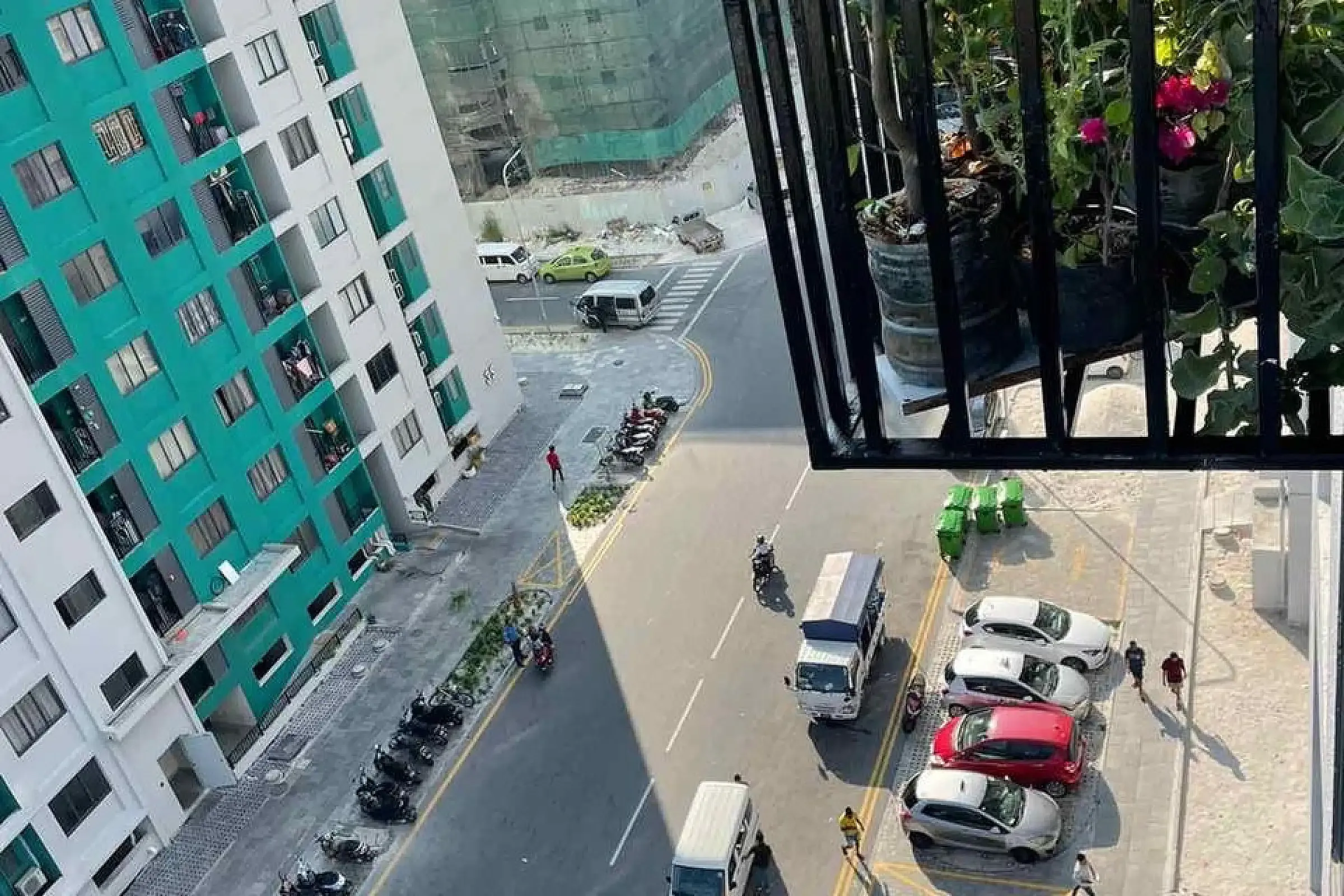
In today's world, falling objects from the balconies of multi-story buildings (such as Hiyaa in Hulhumalé) are no longer something you hear about on the news. Every day there is someone in Hulhumalé who has to dodge objects being dropped off the balconies of Hiyaa and other buildings in which they live and work. Since Malé and Hulhumalé have small streets, crowded with motorbikes and full of tall apartments, anything that falls from a balcony can turn into a projectile. For example, if you leave one too many flower pots on your 15th-floor balcony in a strong wind/rainstorm, they may fall onto the street/parking lot where children are playing.
Balconies become part of daily life
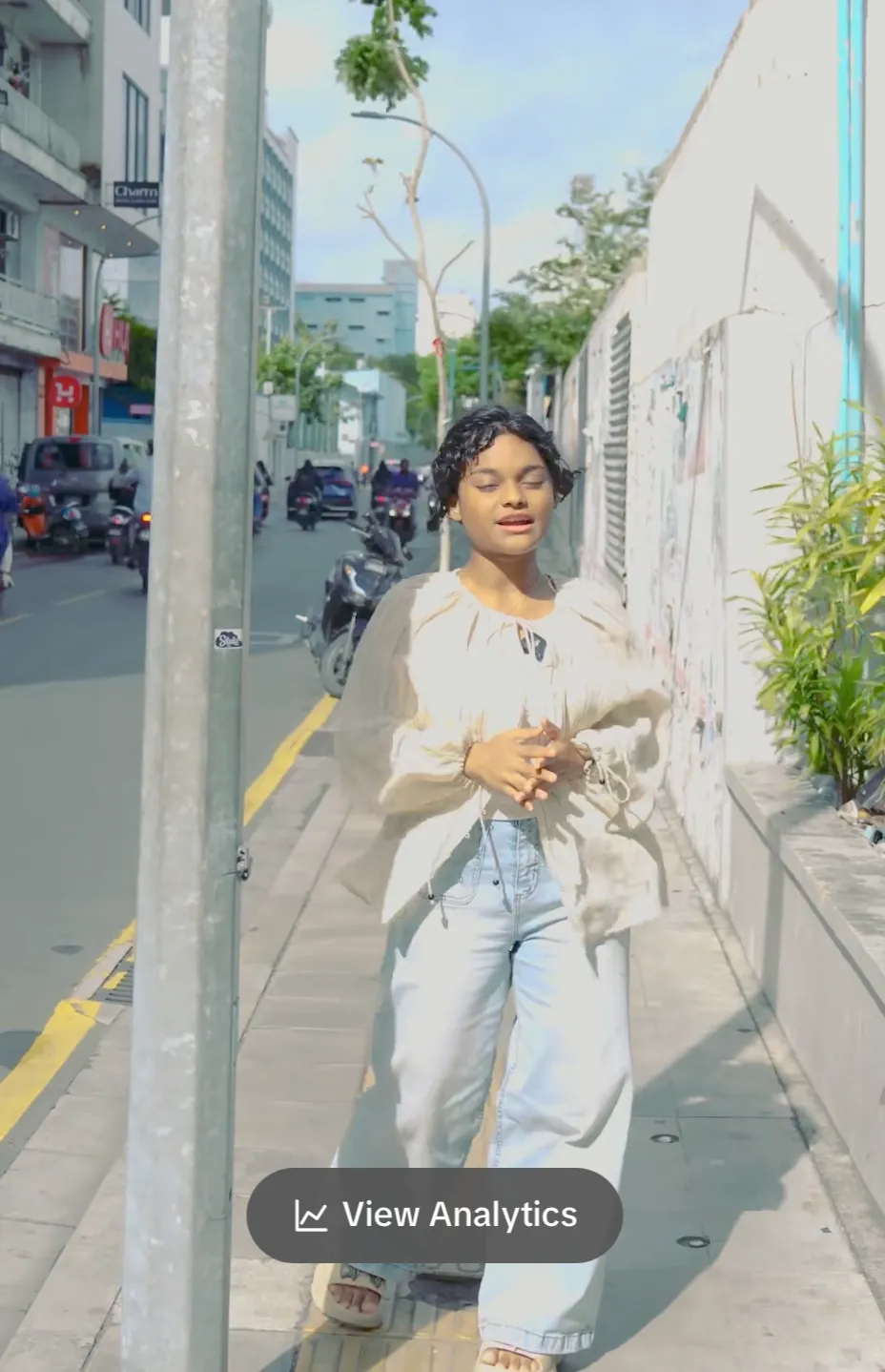
Maldivian families make the most of their outdoor spaces, using their balconies to dry laundry, store items, plant flowers/vegetables in pots/railing boxes. The balconies face onto very narrow streets and large numbers of parked motorbikes. As families rely on their motorbikes to get around, the likelihood of a family member getting hurt when they go out to ride their bike increases dramatically when a pot falls from a 17th- or 15th-floor balcony on a windy/rainy day.
Falling Objects: Incidents, Damage, and Safety Concerns
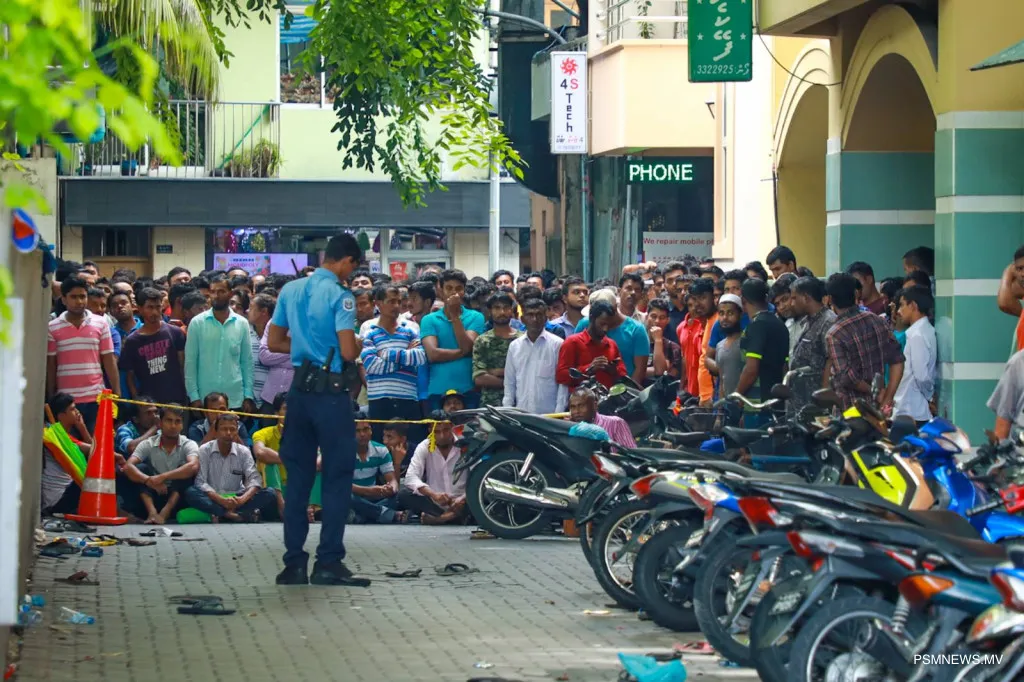
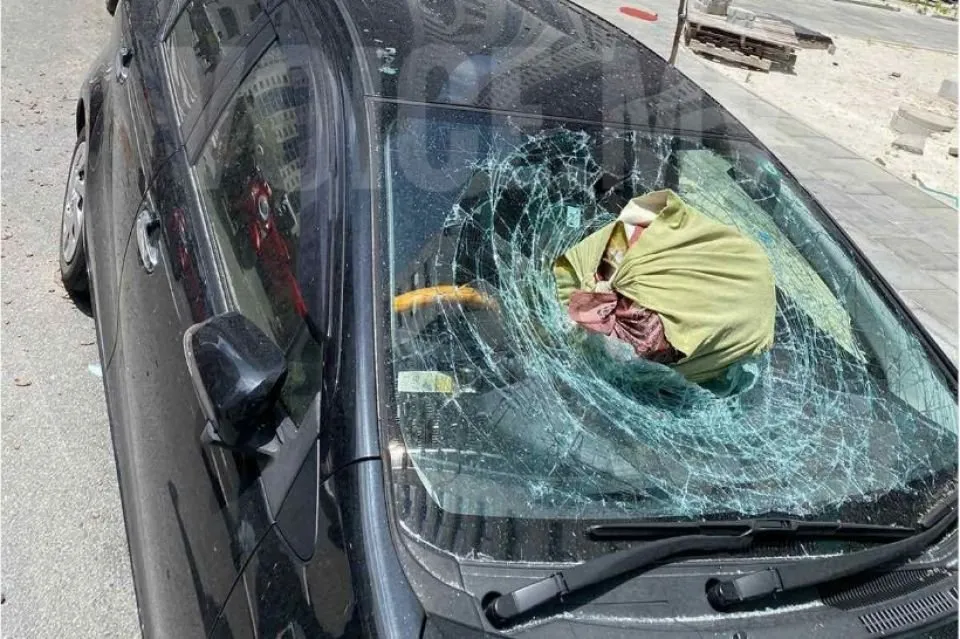
Recent incidents in Hiyaa Flats in Hulhumale Phase II demonstrate how dangerous falling objects have become. An example of a recent incident included a woman on the 17th Floor of Hiyaa Tower 4 who threw household items including pots, trash cans, a broom, and knives off of her balcony onto the parking lot below. Multiple parked automobiles had their windows broken due to the objects landing there, and those witnessing said people were walking around at the time, narrowly escaping harm.
Regulations for Balcony Planting
The State-owned Housing Development Corporation (HDC) is responsible for managing Hiyaa Flats and is beginning to regulate the misuse of balconies. HDC has created guidelines that state any work or activities causing damage to the building structures are banned and that residents cannot put plants outside the balcony boundary or in ways that pose a threat to the public. The corporation stated that HDC would punish tenants for breaking regulations, covering topics such as placement of large amounts of waste outside, unauthorized changes, and unsafe outdoor features.
In practical terms, this means that tenants are not allowed to place pots or planters on the exterior edge of railing or allow large objects to hang over public/common spaces such as courtyards, yards, or parking lots. Enforcement is still a big issue and social media videos often include images of balconies full of items that can become hazardous during storms, disputes, or emergency situations.
Building Codes and Regulations in Maldives
The Maldives established a national building code to help address these types of safety concerns. The Draft National Building Act of Maldives provides a regulatory framework for building works, including building codes, compliance standards, inspection, and responsibility of building owners and professionals. The Maldives National Building Code Handbook includes information on structural safety, load-bearing capacity of balconies, and protection from hazards spilling out of the boundaries of the building into neighboring properties/roads.
These documents do not mention "pot" specifically however they contain a universal obligation: buildings & uses must not jeopardize public safety including objects falling into public space. For high rise environments similar to Male & Hulhumale, this duty certainly applies to how you use your balcony - from AC units and satellite dishes to decorative pots & hanging planters.
Other technical standards established by entities such as the Urban Development Authority/Housing Authority establish rules for attaching fixtures to the exterior of buildings - including securing them so they don't fall off damaging facades. Together, these regulations provide authority & management for actions taken when balcony usage - including unsafe pot planting - creates threats to the street & pedestrian movement below.
Police Responses & Public Safety Warnings
After a child fell to her death from a Hiyaa tower, the Maldives Police Service launched an investigation and released messages urging citizens to take high-rise/balcony safety seriously. As construction-related accidents happened, police releases referred to falling objects as a primary hazard & supported government efforts to inspect sites & review safety protocols.
To Maldivians residing in both Male & Hulhumale, this means that having pots unsecured on the edge of balconies is not merely a 'household choice' they will be scrutinized by police if they damage or injure others & especially so in a high-density estate where risks multiply.
Road Safety in Vertical City
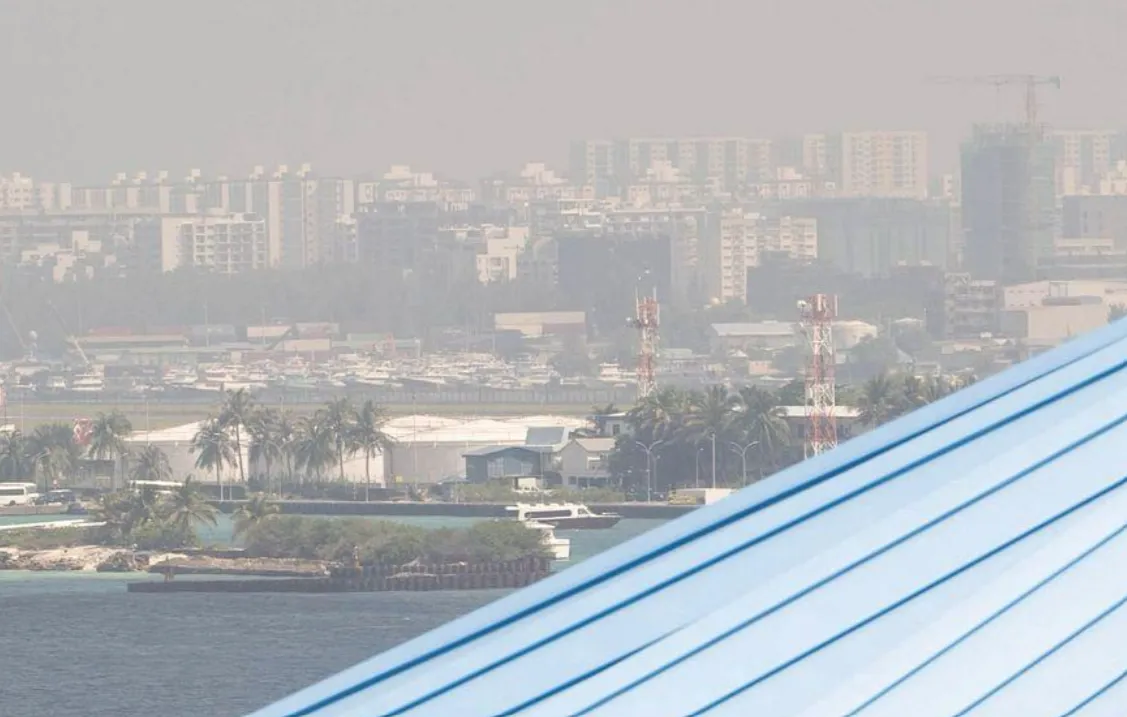
Male's road network is among the most congested in the world. Motorcycles, cars, bicycles & pedestrians compete for space beneath high-rise structures. Hulhumale was built to alleviate congestion but Hiyaa Flats built vertical mini-cities where roads & parking lots exist under tall facades.
During rainy weather, dirt in pots absorb water which increases weight upon brackets/railings. Wind funnels between towers pushing everything loose towards anything near. A pot dropped from 13th or 17th floors of Hiyaa will not drop into someone else's backyard but into a shared courtyard & walkway used by hundreds of residents & guests or onto access roads where riders/drivers travel constantly. One pot can break windshield or make rider lose control turning balcony decor into traffic accident.
As Male grapples with traffic accidents the possibility that danger can come "from above" should change how authorities/building mangers/residents view road safety. Protecting streets in Male & Hulhumale is no longer solely dependent on speed limits/helmets - it is also about what is allowed on edge of your balconies.
Stakeholders & Way Forward
Balcony planting/falling object risks require collaborative effort from various stakeholders.
Government Regulators need to add clear language to building codes & city ordinances that explain what is acceptable to place on edge of balcony & how fixtures must be attached securely.
HDC & Other Housing need to uniformly enforce their own regulations (including penalty for tenants violating regulations related to placement of plants outside the balcony line or placement of heavy items where they can fall into common/public space).
Maldives Police can assist this by sending direct notice/warning that deliberate or reckless behavior creating falling hazards will be investigated/prosecuted.
Resident need to recognize that balcony planting is not benign when placed on rail; moving them inside balustrade line & installing rated bracket/pot hanger will protect neighbors/community/children playing below.
Author
Shafraz Ahmed Hussain
Leave a comment
Comments
No comments yet. Be the first to comment!