Breathing Malé's Air: The Pollution Crisis Hidden in Plain Sight
In a city celebrated for its turquoise waters and white-sand beaches, residents of Malé are quietly breathing some of the most polluted air in the Indian Ocean region — and the government is only just beginning to pay attention.
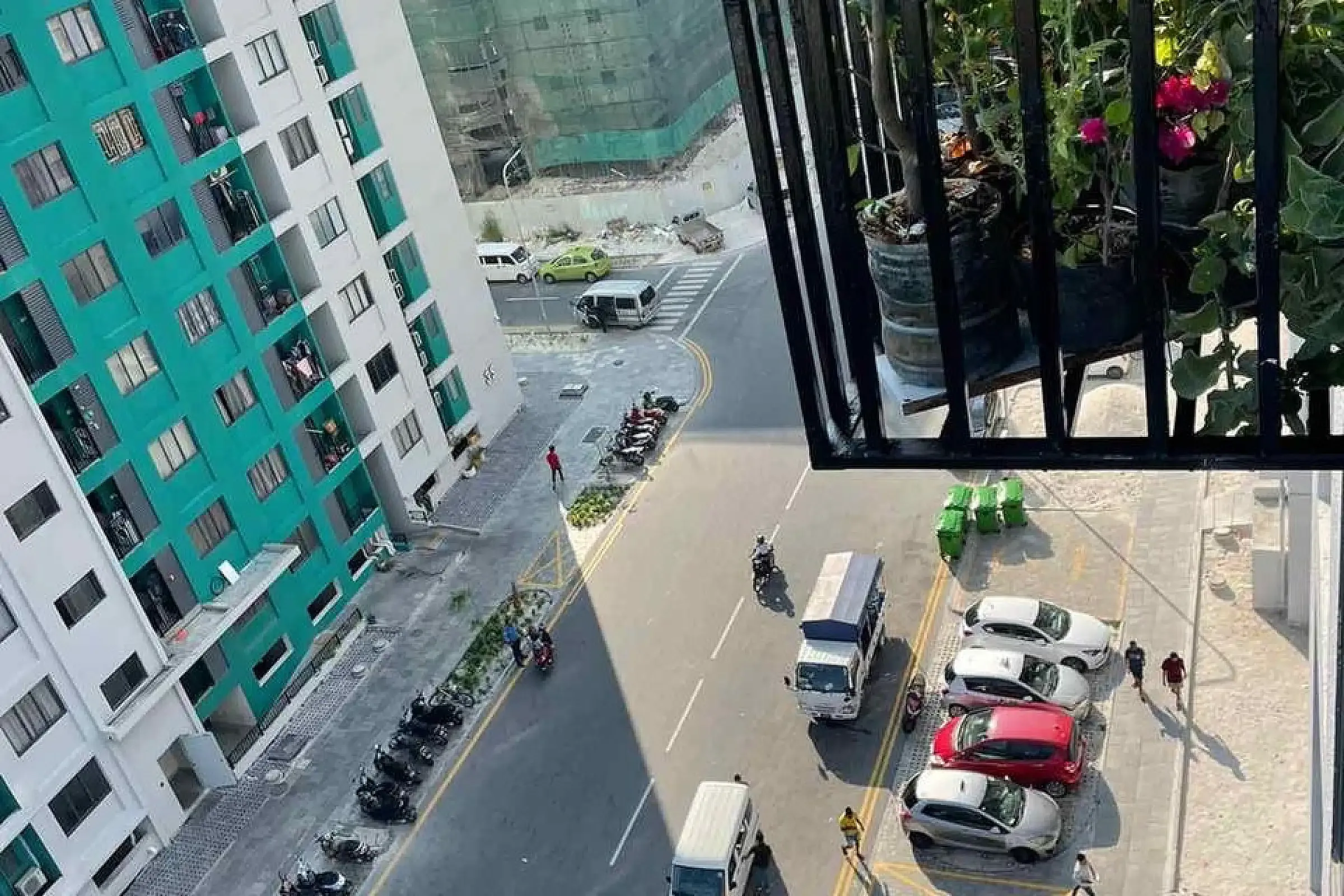
Step onto Majeedhee Magu at 8am on any weekday morning and the smell hits you before you even reach the road. Exhaust fumes hang thick and low between the buildings. Motorbikes weave through the narrow lanes, their engines rattling and coughing. Children in school uniforms press against walls to let them pass. For the people who live here, this is simply Tuesday morning. But what it is doing to their lungs is a question Malé has been slow to answer.
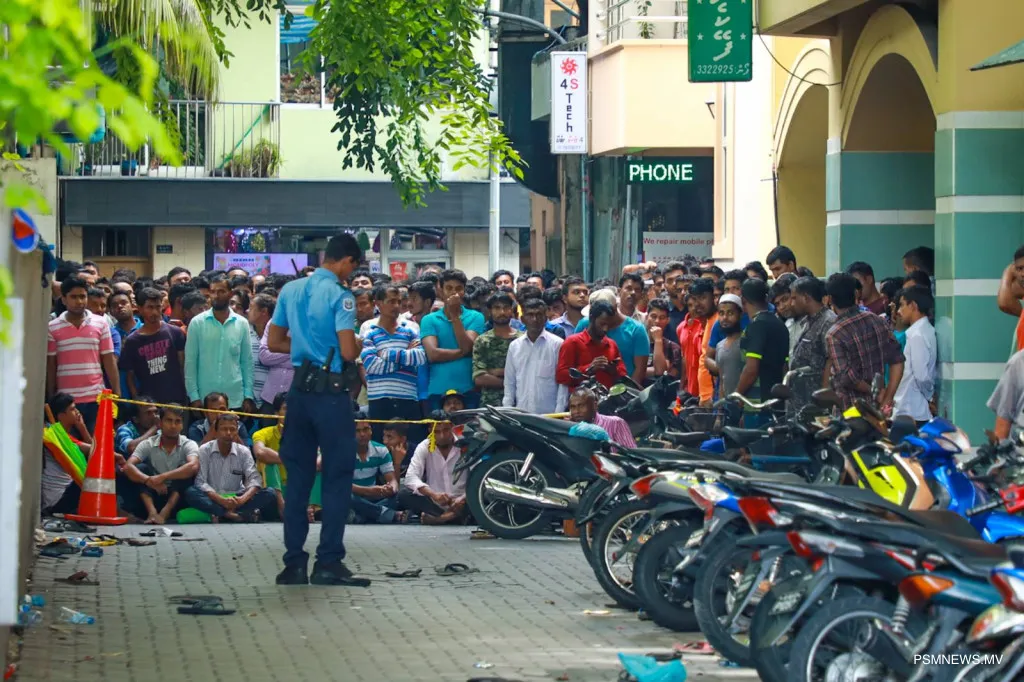
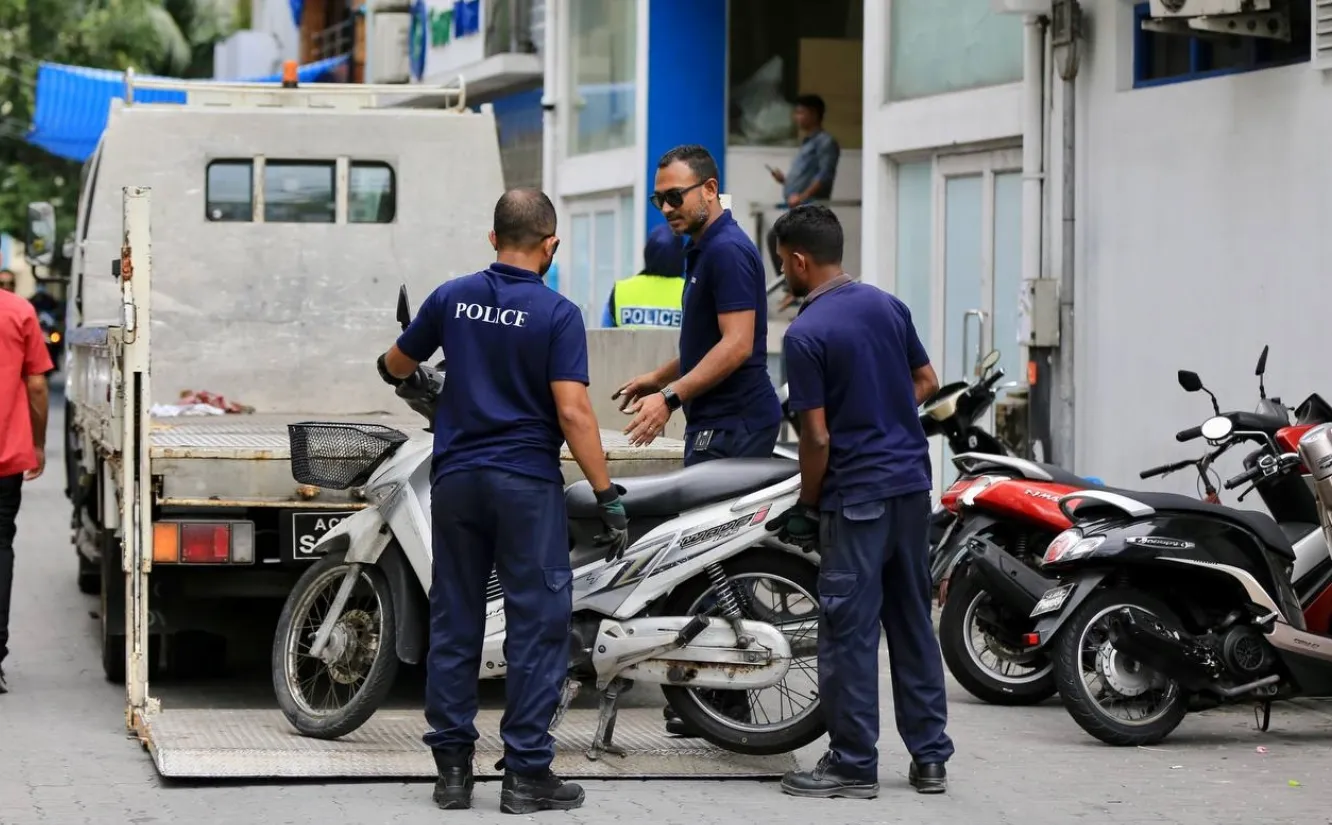
Malé is one of the smallest and most densely populated capital cities on Earth. Around 150,000 people — 40 percent of all Maldivians — are squeezed onto an island just twice the size of New York's Central Park. Into that same tiny space, the Maldives has crammed a staggering number of vehicles. Over 118,000 vehicles are now registered in the Malé area, with more than 1,000 operating without registration. The result is a city that has effectively run out of road. By the end of 2023, vehicles occupied 82 percent of road space in the Malé region, leaving only 18 percent available for pedestrians.
The congestion is visible. The pollution it creates is not — but its effects are increasingly hard to ignore.
One Fire. Six Homes. A City Forced to Act.
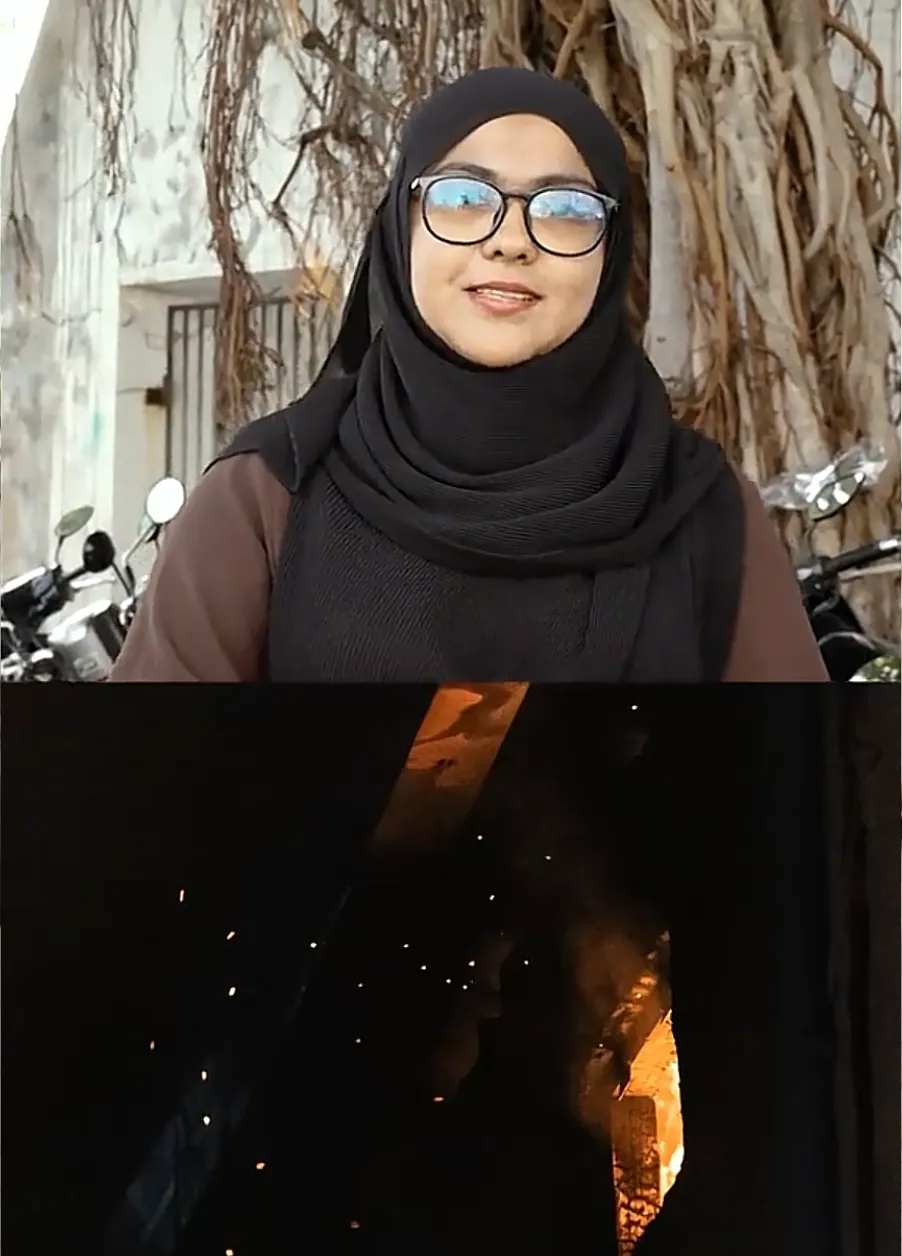
The story of Malé's garage and workshop problem stretches back further than most residents realise. In 2007, a fire broke out at Mory Garage in Galolhu. The fire spread rapidly, destroying six homes. That disaster was the moment discussions began — seriously, for the first time — about relocating vehicle repair workshops, garages, and carpentry shops out of residential neighbourhoods and into a designated zone.
The discussions continued for years. Then, in 2016, the government moved forward with a plan: the Industrial Village would become the dedicated relocation zone. Garages and workshops would be moved there, away from the streets where families live. It was a sensible solution to a dangerous problem.
But the plan never fully materialised.
The Government Blocked Its Own Plan
Before garages could be relocated to the Industrial Village, government-owned companies moved in. WAMCO, STO, FSM, and other state-owned enterprises (SOEs) occupied large portions of the very land that had been set aside for the workshop relocation. The area that was supposed to clean up Malé's residential streets became, instead, a holding ground for government corporations.
As a result, the garages and workshops never left the neighbourhoods. They are still there today — on residential streets, next to homes, schools, and food stalls — operating exactly as they were before the plan was made.
What Residents Are Breathing
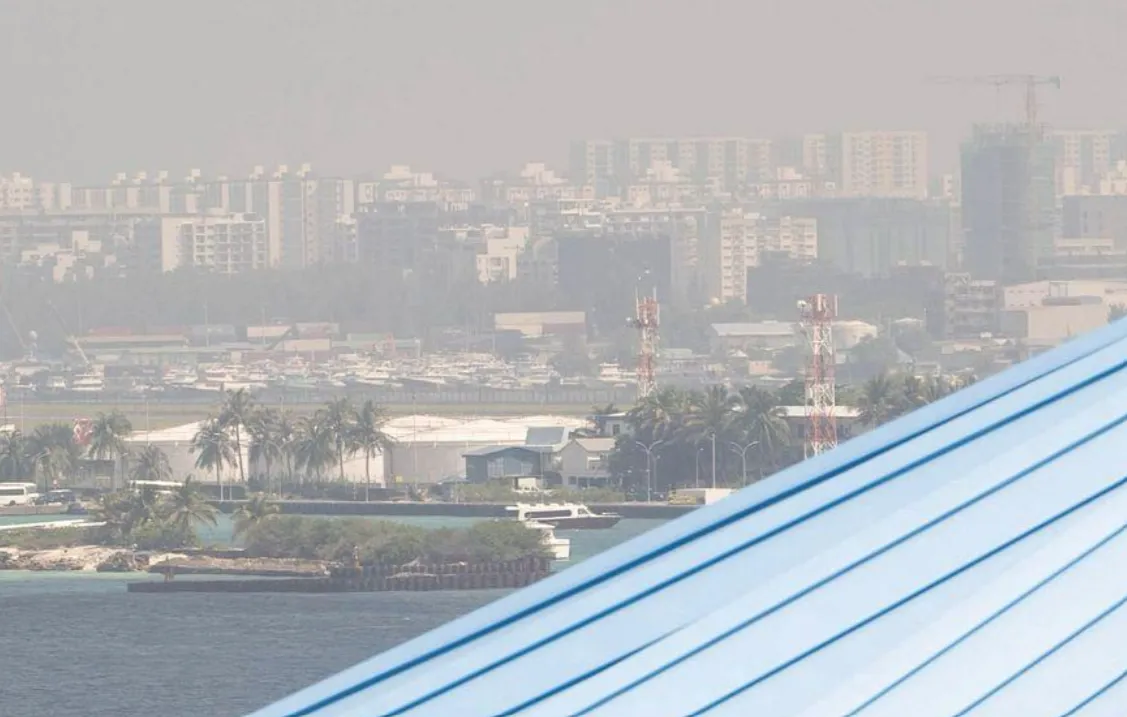
Studies conducted in Malé show that concentrations of fine particulate matter (PM2.5) — the pollutant with the largest effect on respiratory and cardiovascular health — exceed the WHO ambient air quality guideline for clean air. PM2.5 particles are invisible to the naked eye. They travel deep into the lungs and, over time, into the bloodstream. Exposure is linked to asthma, chronic bronchitis, cardiovascular disease and, in severe cases, lung cancer.
Air quality in Malé is affected by land and sea vehicle emissions, diesel power generation, transboundary air pollution from other countries, and waste burning. According to the Maldives National Action Plan on Air Pollution, released in December 2024, around 70 percent of air pollution affecting Malé is transboundary in nature, with the remaining 30 percent originating locally — mainly from vehicles and other domestic sources.
Respiratory diseases are the fifth most common reason for hospital inpatient admissions in the Maldives, with asthma accounting for 20 percent of those respiratory admissions. Whether vehicle pollution in Malé is directly contributing to those numbers is a question researchers have not yet fully answered — because the monitoring infrastructure to answer it has not existed long enough.
The Industrial Village: A Toxic Dumping Ground
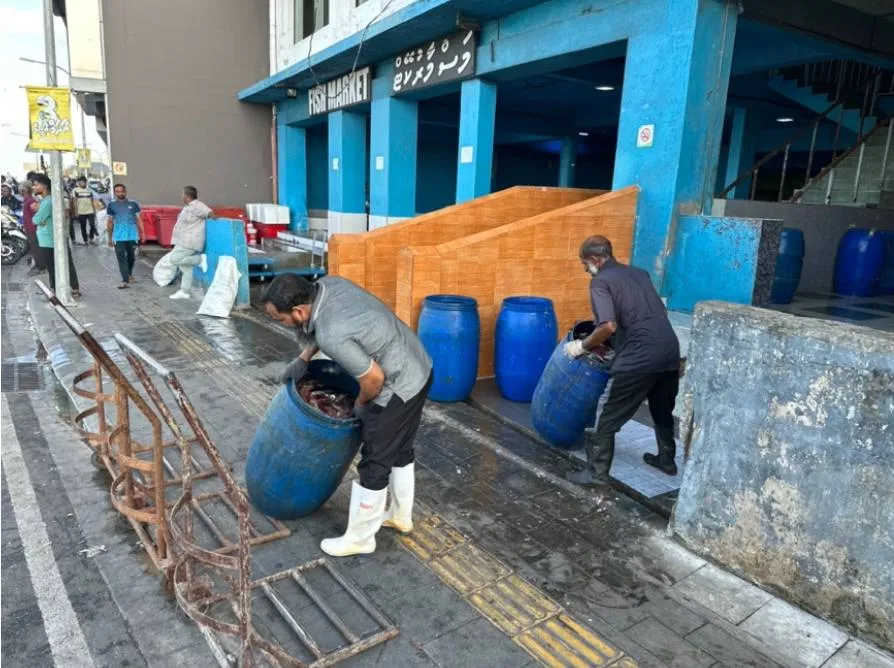
The Industrial Village today is far from the organised relocation zone it was meant to become. It has turned into a dumping ground due to old, dilapidated, and abandoned vehicles. This situation poses numerous risks to the public. Chemicals and oils leak into the ground, harming the ecosystem. Stagnant water collects and breeds mosquitoes, leading to the spread of disease. The site that was planned to make Malé safer has become, instead, a public health hazard at the heart of the city.
A large portion of that land is being used by the government's waste management company, the Waste Management Corporation (WAMCO). However, even as the area remains heavily congested, with stagnant water and breeding mosquitoes, WAMCO has made no proactive effort to clean the premises.
The irony is stark: the company whose mandate is waste management is presiding over one of the most neglected and hazardous pieces of land in the capital city.
The Data Gap
For much of the past decade, no one was systematically measuring what Malé's residents were breathing. Maldives' Environment Minister Hussein Rasheed Hassan acknowledged the gap directly, stating that the government would like to monitor and understand the quality of the city's air and ensure it remains clean and healthy. Yet comprehensive, publicly accessible air quality monitoring in Malé has remained limited.
The government's first serious attempt to address this came in 2019, when the Ministry of Environment launched the country's first National Action Plan on Air Pollutants. The full implementation of this plan would result in a 60 percent reduction in direct PM2.5 emissions and a 40 percent reduction in black carbon emissions — but this requires enforcing emission standards for road vehicles, which are currently not covered by regulations.
What Needs to Change
Transport Minister Mohamed Ameen announced in late 2025 that the ministry is preparing amendments to the Land Transport Act to tackle vehicle congestion, working with the Attorney General to find legal solutions for vehicle limits. It is a step forward — but critics argue it addresses congestion more than it addresses pollution, two problems that overlap but require different solutions.
Former Transport Minister Aishath Nahula was direct about the scale of the challenge: transport is one of the most difficult areas in the Maldives, she said, and every year more and more vehicles appear on Malé's roads. Her preferred solution was electric vehicles. The adoption rate, however, remains far below what would be needed to make a meaningful difference to air quality.
The path forward is clear: enforce vehicle emission standards, finally complete the garage relocation plan, hold WAMCO accountable for the state of the Industrial Village, and invest in real-time air quality monitoring so that residents know exactly what they are breathing. The will to walk that path, urgently enough, is less certain.
Still Breathing
Back on Majeedhee Magu, the morning rush shows no signs of easing. Parents walk children to school through gaps in the traffic. An elderly man on the pavement shields his face with his arm as a cluster of motorbikes accelerates past. Nobody is wearing a mask. Nobody is checking an air quality app.
In a country that sells the world the fantasy of paradise — pristine air, infinite ocean, untouched nature — its own capital city residents are breathing something altogether different every day. A fire in 2007 started this conversation. Nearly two decades later, the garages are still on the street, the Industrial Village is still a hazard zone, and the air is still unmonitored.
Author
Shafraz Ahmed Hussain
Leave a comment
Comments
No comments yet. Be the first to comment!